Home Safety Tips
Essential advice for creating a safer, healthier home environment with proper door selection and maintenance.
Fire Prevention Best Practices
Install Smoke Detectors
Place smoke detectors on every level of your home, especially near bedrooms and kitchen areas. Test them monthly and replace batteries annually to ensure they function properly.
Maintain Clear Exits
Keep doorways and exits clear of obstructions. Ensure all family members know multiple escape routes and practice evacuation plans regularly.
Use Fire-Rated Doors
Install fire-rated doors in critical areas such as between garage and living spaces, and in multi-story homes. These doors provide crucial time for safe evacuation.
Ventilation for Indoor Air Quality
Proper ventilation is essential for reducing chemical off-gassing from building materials and maintaining healthy indoor air quality. Ensure adequate airflow throughout your home, especially in areas with new doors or finishes.
Use exhaust fans in kitchens and bathrooms, open windows when weather permits, and consider air purifiers with HEPA filters to remove airborne particles and improve overall air quality.
-
Natural Ventilation
Open windows regularly to allow fresh air circulation
-
Air Purification
Use HEPA filters to remove airborne contaminants
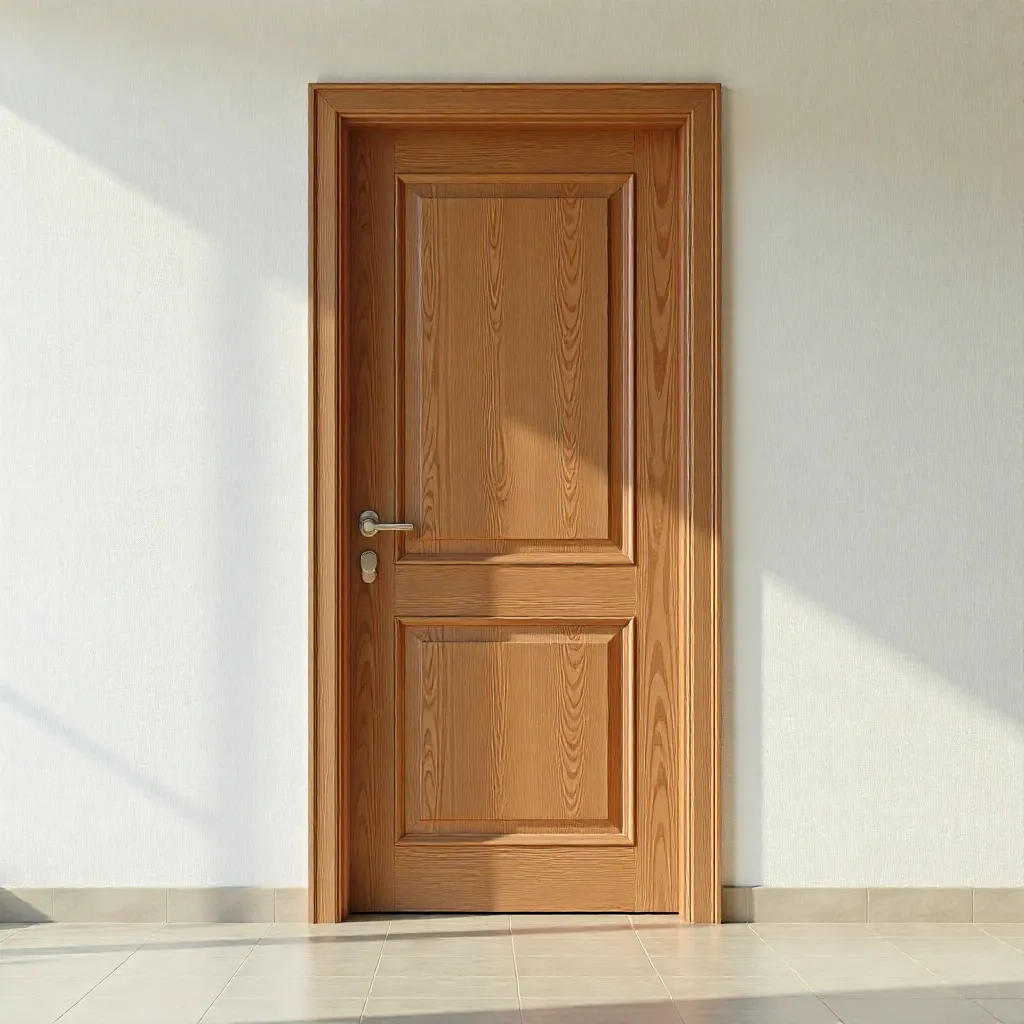
Family-Friendly Door Selection
Allergy-Friendly Options
Choose doors made from materials that don't trap allergens or release irritants. Non-porous surfaces and low-VOC finishes help reduce allergy triggers and improve comfort for sensitive individuals.
HypoallergenicChild-Safe Features
Select doors with rounded edges, secure hardware that prevents pinching, and finishes that are easy to clean. Consider doors that are lightweight enough for children to operate safely.
Child-SafeDurability for Active Homes
Choose materials that withstand daily wear and tear from active families. Durable finishes resist scratches, dents, and stains while maintaining their appearance over time.
DurableSeasonal Inspection Checklist
Regular inspections help identify potential issues before they become serious problems. Perform these checks seasonally to ensure your doors continue to provide safety and protection.
-
Visual Inspection
Check for cracks, warping, or damage to door surfaces and frames. Look for signs of wear on hinges, locks, and weatherstripping.
-
Operational Test
Test door opening and closing mechanisms. Ensure latches engage properly and doors close completely without gaps. Check that automatic closers function correctly if installed.
-
Seal Integrity
Inspect fire-rated sealants and weatherstripping for deterioration. Replace any damaged or missing seals immediately to maintain fire resistance and energy efficiency.
-
Hardware Maintenance
Lubricate hinges and locks as needed. Tighten loose screws and replace worn hardware components. Ensure all security features function properly.